Fashion is a reflection of culture, history, and identity, with distinct styles emerging from different regions of the world. In the realm of fashion, the juxtaposition of American and European aesthetics has long captivated people and industry insiders alike. From the bold, casual sensibility of American Fashion to the refined, couture-driven approach of European design.
The 1980s: A Time of Excess & Innovation
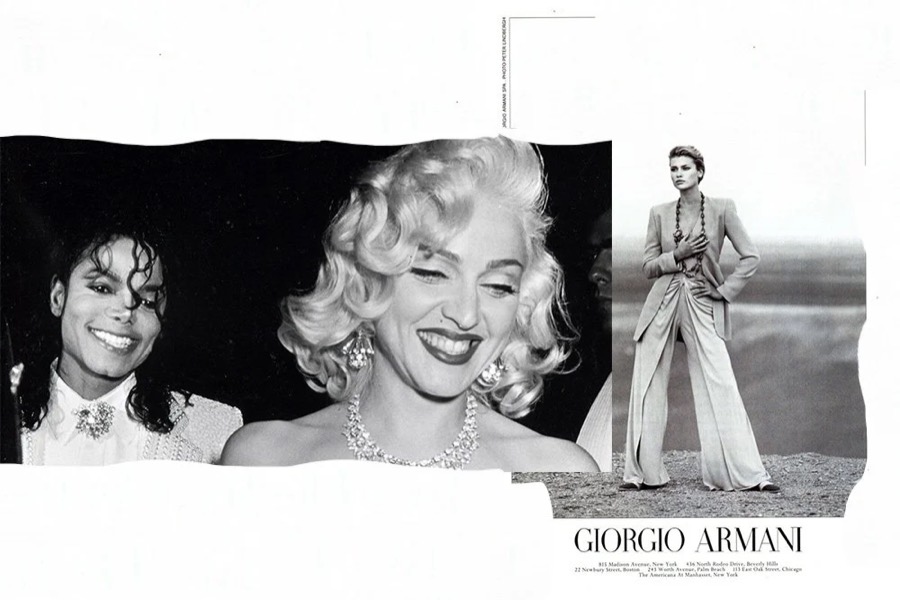
The 1980s witnessed a clash of styles on both sides of the Atlantic, with American and European fashion taking divergent paths. In the United States, the era was defined by power dressing, with sharp-shouldered suits, oversized silhouettes, and flashy accessories dominating the scene. At the time, icons like Madonna and Michael Jackson popularized bold, statement-making looks that celebrated individuality and self-expression.
Meanwhile, over in Europe, designers leaned more toward refinement and sophistication, drawing inspiration from history, art, and culture. Italian fashion houses like Versace and Armani ushered in an era of luxury and glamour, with tight, sleek tailoring, lavish fabrics, and intricate detailing becoming the forefront of European style. French fashion, epitomized by brands like Chanel and Yves Saint Laurent, exuded elegance and sophistication, with a focus on timeless craftsmanship.
The 1990s: Shift towards Minimalism & Streetwear
As the world entered the 1990s, both American and European designers embraced a more pared down, minimalist aesthetic. In the United States, streetwear emerged as a dominant force, with brands like Tommy Hilfiger, Calvin Klein, and Ralph Lauren shaping the look of casual, sporty fashion. With major influence by hip-hop culture and urban street style, American designers embraced relaxed fits, athletic influences, and graphic logos, catering to a younger audience.
On the contrary, European fashion took a more understated approach, with designers favoring clean lines, neutral palettes, and elegance. Scandinavian brands like Acne Studios and COS gained prominence for their minimalist, utilitarian design, while designers like Helmut Lang and Jil Sander epitomized the “less is more” saying with their streamlined, architectural looks.
The 2000s: Fusion & Innovation
As we entered the new millennium, the lines between American and European fashion began to blur, giving rise to a globalized, eclectic aesthetic. Influenced by the rise of social media, designers from both ends embraced a spirit of experimentation, blending elements of streetwear, high fashion, and subculture into their collections.
This is only a short snippet of the history and rise of fashion today. Others that aren’t mentioned but are still notable influences on American fashion include brands like Supreme, Off-White, Kith and Bape, and figures from Kanye West, Sarah Jessica Parker, Travis Scott, Paris Hilton, and many others.